
About the Toolkit & Artist

Forest Landscape Planning Told Through the Story of the Wolf Pack: Coordination and Shared Purpose
They hunt, raise young, and protect territory as a unit, with each member playing a role. (Symbolism: Collective leadership, strategy, shared responsibility, long-term stewardship).
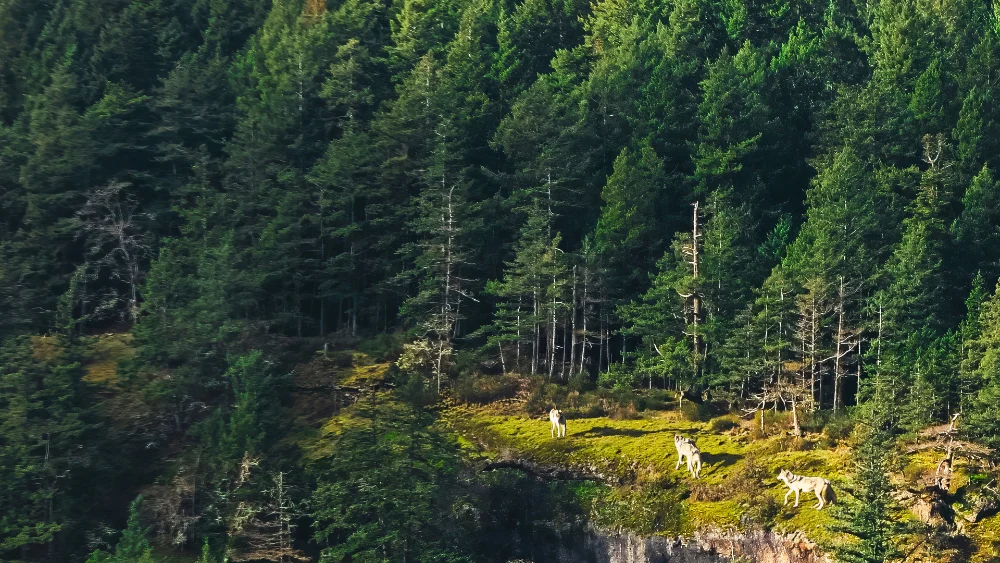
A Wolf pack offers a relatable way to understand Forest Landscape Planning, showing how a group can work together across a large, shared territory with a common purpose. No single wolf oversees everything, but the pack stays connected through communication, trust, and a shared goal, much like how Forest Landscape Planning brings together different partners, values, and areas into one approach.
Each wolf has a role, but those roles can shift as needed, reflecting the flexibility and collaboration required in planning. Their ability to turn coordination into action, especially when working together to hunt, mirrors the need to connect big picture direction with what happens on the ground. In both cases, success depends on working together in a way that supports the long-term health and balance of the whole system.
Bayja Morgan-Banke, an artist Toquaht, Nuu-chah-nulth Nation, and Bonaperte Nations, grew up in Tofino in a family where creativity was a way of life. Her grandmother painted and sang, while her father and grandfather were skilled carvers.
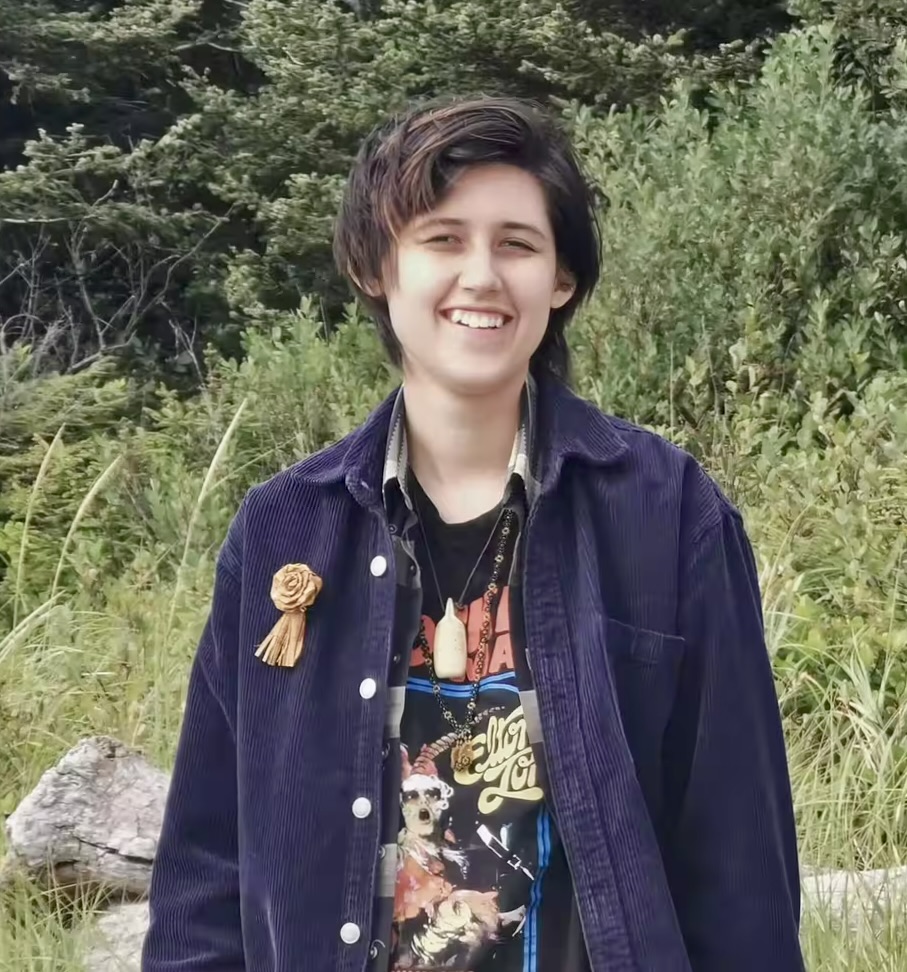
With an educational background in film and animation, Bayja now works as an illustrator at Indigenous Marketing Solutions. She’s passionate about preserving Indigenous languages and tells stories through her art, blending traditional techniques with animated styles. Each piece she creates honours her cultural heritage and connects the past with the present.
Bayja’s art is both heartfelt and hopeful, celebrating Indigenous traditions while imagining a future where these stories continue to thrive.